Co-building with the Civic Tech Community
Community is our core driver, education is the end goal.
We envision to build a thriving ecosystem where aspiring technologists can upskill, collaborate, and make an impact.
When reviewing project proposals, we evaluate them based on three core pillars:
1. Community-Driven Technology
We prioritize projects that are designed by and for communities. These projects must:
Be open-source and publicly accessible, encouraging collaboration from technologists worldwide.
Address a real community need, whether local or global.
Empower individuals to participate in civic life or improve their immediate environments.
Examples:
Open data platforms for civic engagement
Tools that support local governance or public accountability
Project Great Dane, which leverages NYC Open Data
2. Opportunities for Skills Building
A strong proposal should help contributors grow as builders. We look for projects that:
are beginner-friendly or offer clear entry points for newcomers.
present meaningful technical challenges that help participants deepen their expertise.
are realistically scoped, so teams can complete valuable work in a sprint format.
Example:
The Equity-UI Design System Project, a front-end initiative designed for newer developers, completable in 6 weeks.
3. Alignment with Public Interest and Social Good
Projects must center values of equity, inclusion, and ethical tech. We seek work that:
prioritizes underserved or marginalized communities.
aims to solve societal challenges, improve access to essential services, or amplify civic participation.
follows principles of Public Interest Technology, as defined by All Tech is Human—bridging tech, policy, ethics, and social justice.
Examples:
Platforms supporting minority-owned businesses
Apps expanding access to health or education
Tools for entrepreneurs in marginalized communities
We believe that through these three pillars—Community Focus, Skills Growth, and Social Impact—we can co-create technology that truly serves the public good.
Partners and Sponsors
-
Femmecubator Project
Femmecubator is 501c3 fiscally sponsored project by Aspiration. Femmecubator's mission is to elevate careers of women of color in tech through mentorship and community.
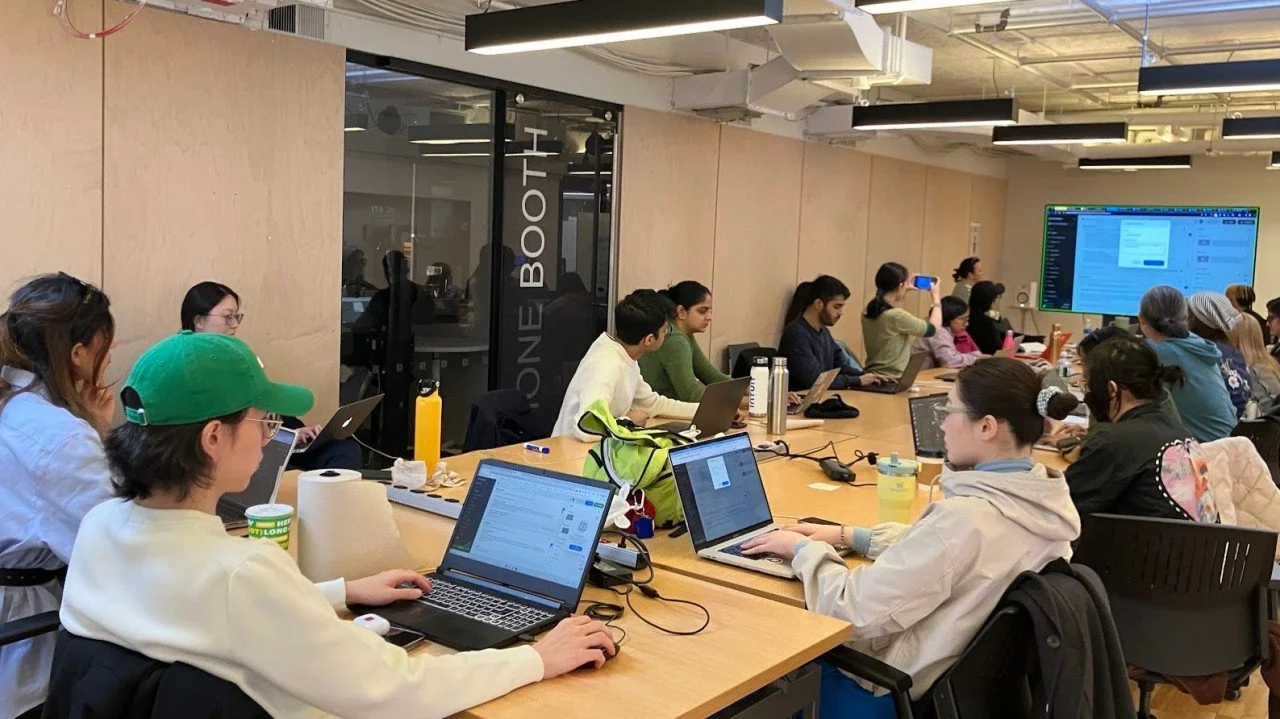
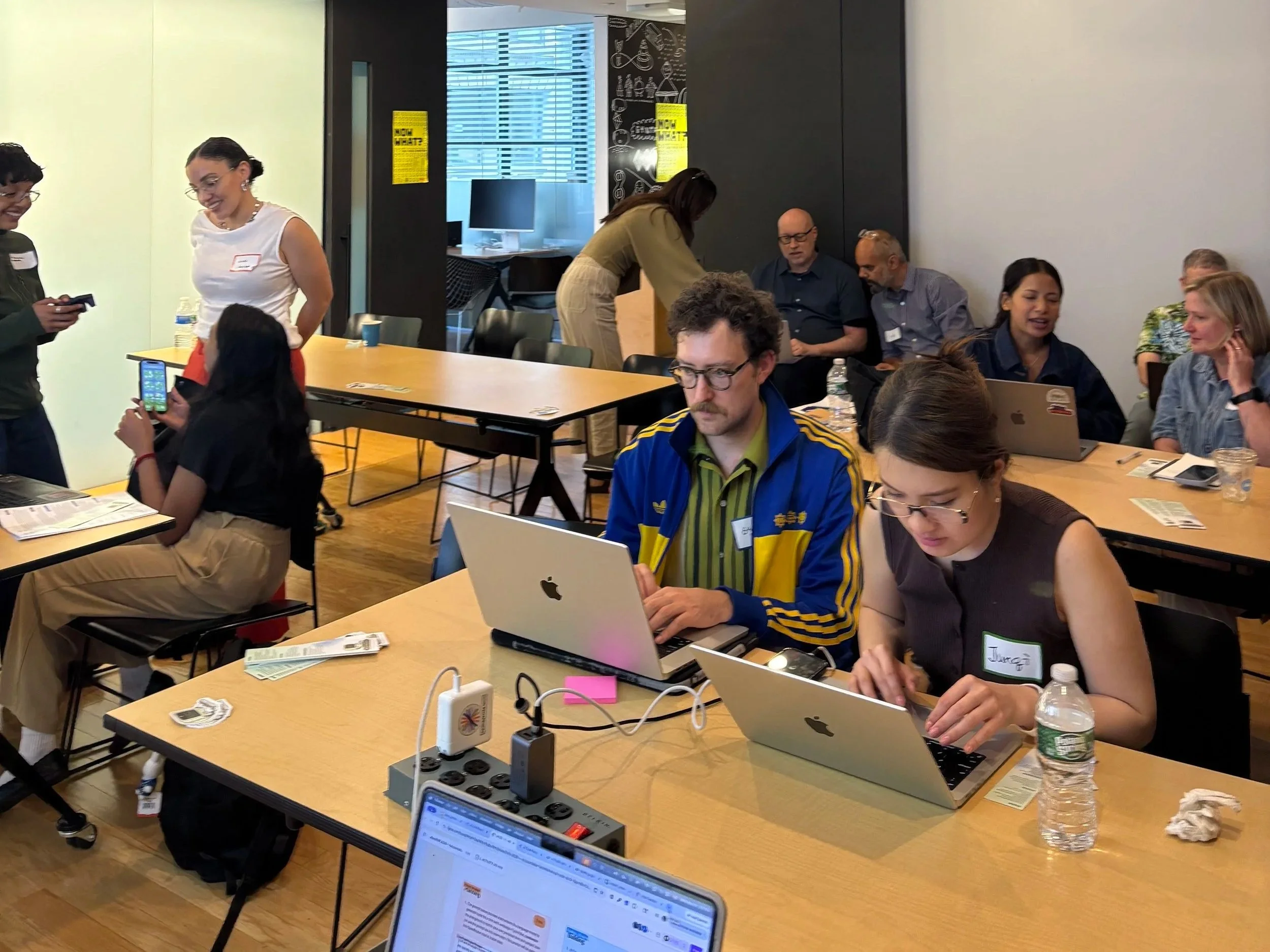
In 2024, Femmecubator hosted its first flagship program, Open Sprints, where technologists are guided by industry experts to collaborate on Civic Tech Open Source Projects. -
Superbloom
Superbloom leverages design as a transformative practice to shift power in the tech ecosystem. We apply a critical lens to technology development, and view design as an intervention opportunity to center people and their needs. We collaborate closely with others in the space to grow the community focused on shaping our collective online future. Our vision is a world where everyone has the knowledge, network, and digital tools needed to enrich their lives.
-
Data + Women NYC
Data+Women NYC aims to recognize and support women in the data community. Our quarterly meetings provide opportunities to connect with others over a shared love of data and a mission of uplifting members of the data community. We welcome perspectives from all roles and levels of expertise, and people of any gender identity are invited to participate!
-
NYU ITP / IMA
ITP’s mission is to explore the imaginative use of communications technologies—how they might augment, improve, and bring delight, utility and meaning into people's lives. Students earn a terminal Master's degree after two years of intensive technical, creative and conceptual work.
-
SVA IXD
At SVA IXD’s two-year graduate program located in the Chelsea neighborhood of New York City, students learn the skills, methods, and mindsets of interaction design in order to seed healthier and more inclusive futures.
Join SVA IXD’s community of designers, artists, entrepreneurs, technologists, and more — find your future practice at the MFA ixD.
What is the Equitable Technology Policy Framework?
Our initiative prioritizes 3 of the 9 policy areas within the Equitable Tech Policy Framework drafted by the Kapor Foundation. It focuses on creating fair and inclusive policies within the technology sector. It aims to address systemic inequalities by advocating for policies that promote diversity, equity, and inclusion in tech-related fields.
-
Invest in new models of inclusive tech workforce development, including new models for upskilling, reskilling, and hiring
-
Combat the harmful consequences of artificial intelligence and autonomous systems, and create standards for the future development and deployment of artificial intelligence systems
-
Increase deployment of capital to diverse startup entrepreneurs.
